
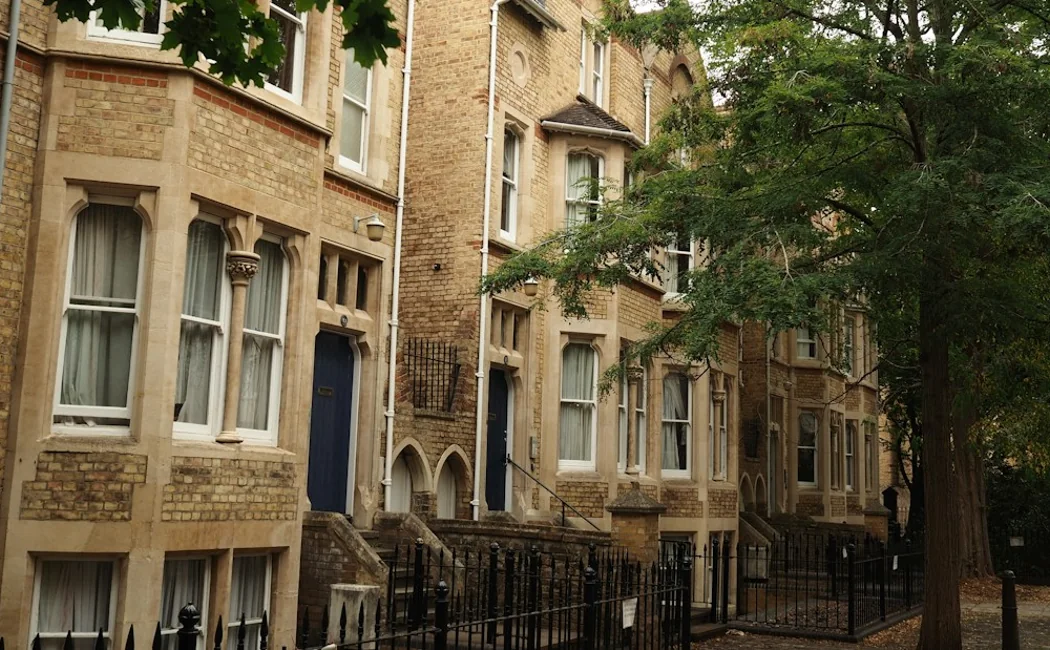
A composite door is built from several materials: a tough GRP (glass reinforced plastic) skin, an insulating foam or timber core, and a reinforced frame. The result looks like a painted timber door from the street but is far more stable, more secure and better insulated.
Why composite is the popular choice
- Security. Thick, solid doors with multipoint locks and anti-snap cylinders. Look for PAS 24 certification.
- Insulation. The insulated core keeps heat in and helps the door meet the 1.4 W/m²K standard for replacement doors.
- Low maintenance. The coloured skin doesn't need painting and is resistant to fading, warping and rot.
- Choice. Dozens of colours, traditional and contemporary styles, and a huge range of glass designs and hardware.
Choosing a style
For a Victorian or Edwardian terrace, a four or six panel design in a heritage colour with a small glazed top light usually looks right. For a 1930s semi, look at designs with a sunburst or stained-glass panel. For a modern house, flush doors with long bar handles and slim vertical glass are popular. Side panels and top lights can be added if the opening is wider than a single door.
Hardware and extras
Handles, knockers, letterplates, spy holes, door numbers and chains are usually chosen when the door is ordered. If you want a cat flap, a smart lock or a low threshold, mention it at the start, as they affect how the door is made.