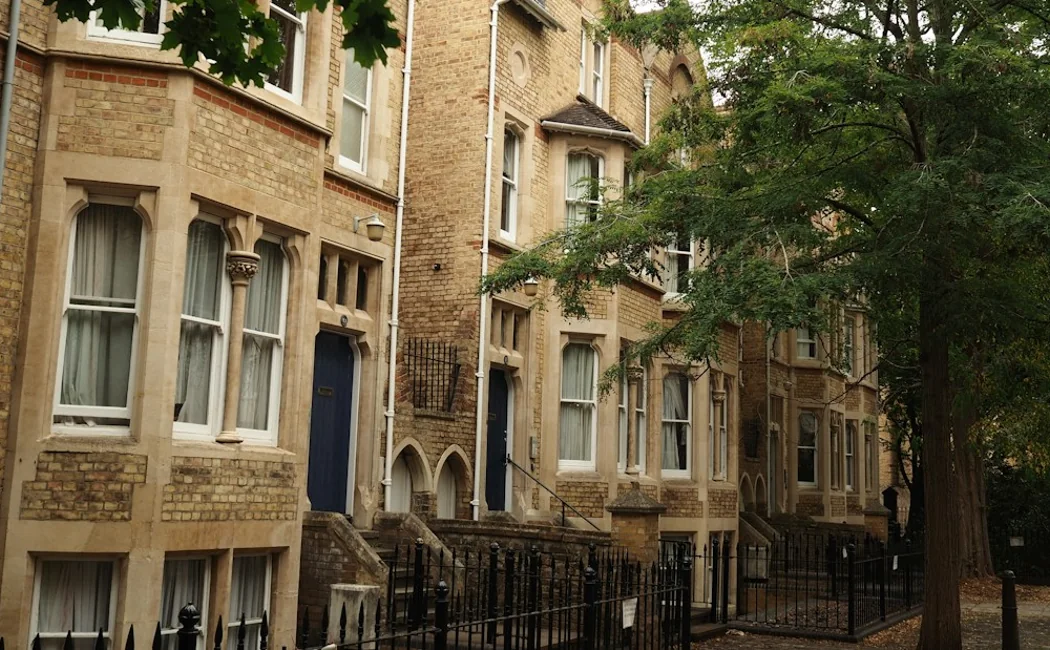
Sliding sash windows are a big part of what makes Leeds' Victorian and Edwardian streets look the way they do, from Headingley and Chapel Allerton to Roundhay. Original timber sashes are lovely when they work, but many are draughty, rattle in the wind or have been painted shut for years.
Your options
uPVC vertical sliders look like a traditional sash from the street and slide up and down, but use modern balances instead of cords and weights. The better systems have run-through sash horns, decorative bars and wood-grain finishes that are very convincing. Timber sash windows are the most authentic and may be required on listed buildings or in some conservation areas. Sash restoration (new cords, draught-proofing and repairs) can be the right answer where the original frames are sound.
Details that make a sash look right
- Sightlines: slim frames and meeting rails that match the proportions of the originals.
- Sash horns on the upper sash, where the originals had them.
- Glazing bars in the right pattern, such as two-over-two or six-over-six.
- Colour: off-white, cream or heritage greens often look better on stone than bright white.
- Tilt-in sashes, which make cleaning the outside easy from inside the room.
Parts of Headingley, Roundhay, Chapel Allerton and Horsforth are conservation areas. If your house is listed, or covered by an Article 4 direction, check with Leeds City Council planning before replacing sashes on the front.
Why a measure-up matters
Period openings are rarely square or a standard size, and the reveals in stone walls are often deep. Every sash window is made to measure, so a fitter needs to see the openings before giving a firm price.