
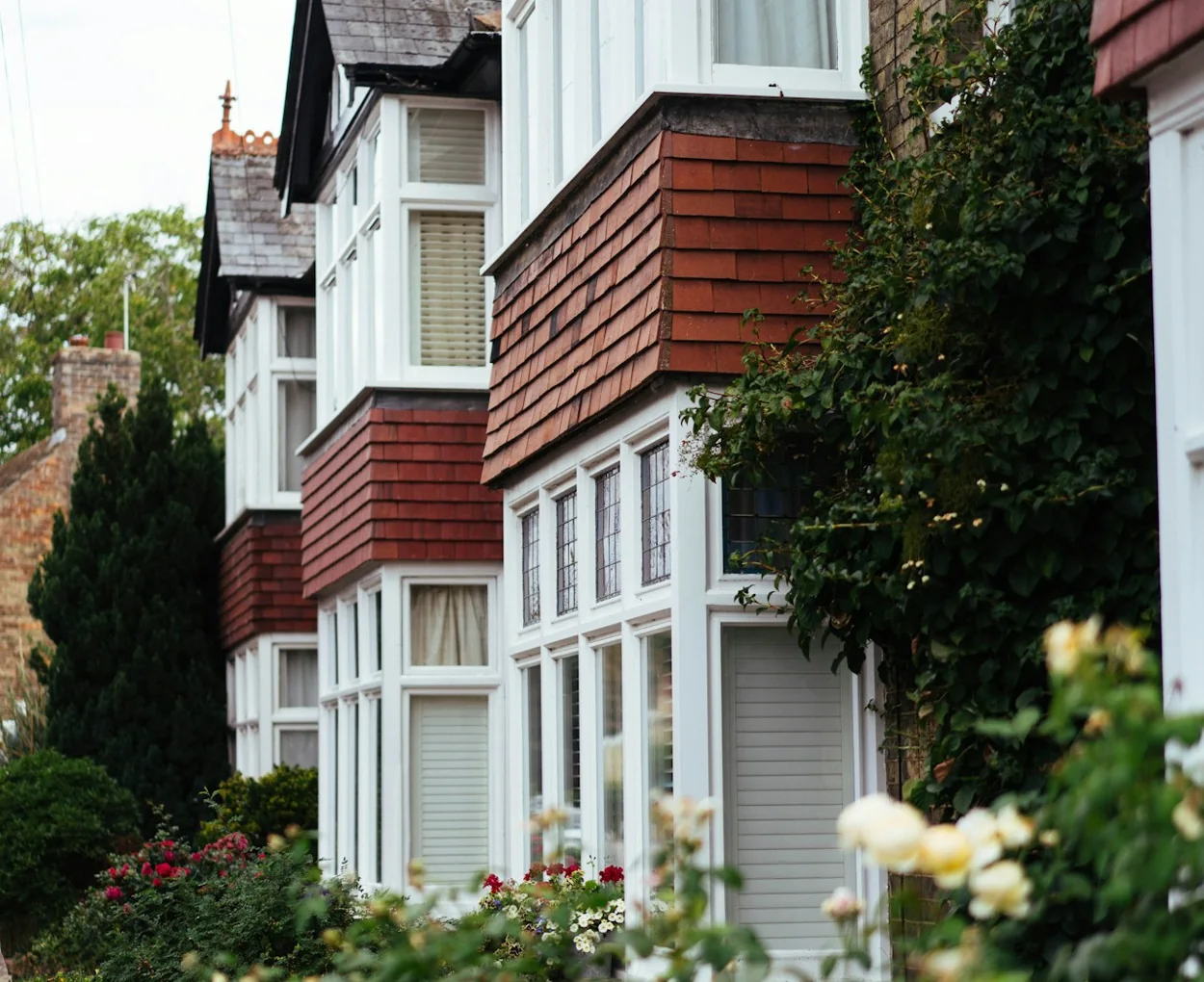
Most Leeds homes are on their second or third set of windows. If yours are 20 years old or more, you will probably notice draughts, condensation between the panes, handles that no longer lock properly, or frames that have yellowed and warped.
Signs it's time for new windows
- Condensation between the panes that won't wipe away. The seal on the glass unit has failed.
- Draughts around the frame even when the window is locked.
- Rotten or soft timber on older wooden frames, especially at the bottom rail and sill.
- Handles and hinges that are stiff, loose or won't hold the window shut.
- Noise from a busy road that older single or early double glazing doesn't keep out.
If only one of these applies to one or two windows, a repair may be enough. Our guide on repair or replace explains how to tell.
Choosing a window style
The right window depends on the house as much as on your taste. A stone Victorian terrace in Headingley suits a different window from a 1990s semi in Garforth.
What to expect on the survey
A fitter will measure every opening, look at the condition of the brickwork or stone around each frame, check which windows need safety glass or fire escape openings, and talk through colours, glass and hardware. You should come away with a written quote that lists each window separately.
Replacement windows in England need to meet Building Regulations, including thermal performance (a whole-window U-value of 1.4 W/m²K or better, or Window Energy Rating band B). A fitter registered with a competent person scheme such as FENSA or Certass can certify this for you. Read the guide.